


Learning Resources Mini Farmstand Sorting Set — Honest Review
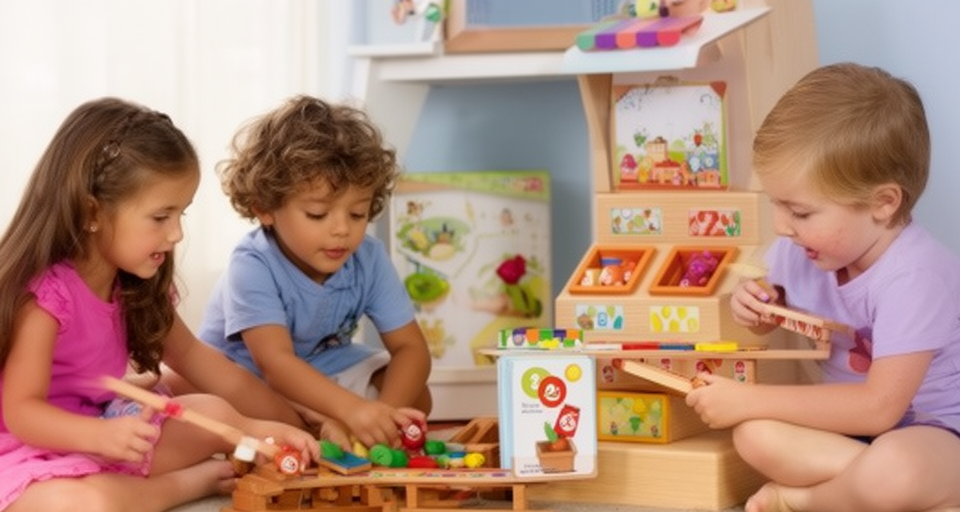
This little farmstand is a compact playset of mini fruits and vegetables designed for pretend play. It includes colorful pieces that children can sort, stack, and "sell" at a make-believe grocery stand. The set aims to support fine motor skills, sorting, counting, and imaginative play while following some Montessori-friendly ideas.
What it does (short and clear)
The Mini Farmstand Sorting Set provides a small collection of plastic fruits and vegetables, plus accessories for a pretend grocery experience. Kids can pick up pieces, sort by color or type, and role-play shopping and selling. It’s mainly built for toddlers and preschoolers to practice hand-eye coordination, vocabulary, and early math skills like grouping and counting.
Design and materials
The pieces are small and lightweight, sized for little hands. Colors are bright but not garish. The plastic feels sturdy enough for regular play, though it’s not indestructible. There are no sharp edges and the finish is smooth. Because the items are miniature, supervision is recommended for very young children who still mouth toys.
Play value and learning benefits
For short, frequent play sessions this set shines. Children can improve pincer grasp and sorting skills. Pretend play scenarios support language development and social interaction when played with peers or caregivers. The set follows a Montessori-friendly approach by encouraging open-ended, self-directed play rather than a fixed storyline.
Pros
- Good size for toddlers and preschool hands; pieces promote fine motor development.
- Bright, clear colors that help with sorting and matching activities.
- Encourages imaginative play and early counting skills.
- Affordable and easy to store due to its compact size.
Cons
- Pieces are very small — choking hazard for children under 3 or for those who mouth objects.
- Plastic can feel lightweight; it may not hold up to rough handling over years.
- Set is limited in variety — older preschoolers may tire of it sooner than younger children.
- No fabric or realistic textures, so tactile variety is limited.
Who it’s suitable for
This set is a good match for toddlers aged 3 and up who are moving beyond basic stacking and beginning to sort and role-play. It works well in a preschool setting, as a supplement to a play kitchen, or for at-home learning activities that focus on fine motor skills and vocabulary.
Who should look elsewhere
If you need durable, realistic play food for heavier daily use, look for wooden sets or larger, more robust plastic options. Families with children under 3, or kids who still put toys in their mouths, should avoid this set because of the small size of the pieces. If you want a highly detailed, lifelike grocery experience, a larger market-themed set would be more appropriate.
Brief comparison with similar toys
Compared with full-size play kitchen food sets, the Mini Farmstand is more compact and travel-friendly. Wooden markets and magnetic play food tend to be sturdier and offer more tactile variety, but they cost more and take up more space. Versus cardboard or fabric food sets, this one is easier to wipe clean and holds color better. In short, it sits between a basic beginner set and a more elaborate pretend-market kit.
Final verdict and recommendation
The Learning Resources Mini Farmstand Sorting Set is a useful, low-cost option for introducing toddlers to pretend grocery play and sorting activities. It supports fine motor development and simple counting without a lot of setup. My main caveat is the piece size and lightweight construction — supervision and proper age selection are important. If you want an affordable, compact set to add to a play kitchen or to use for short learning sessions, this is worth considering. For heavy everyday play or multi-child households, a sturdier or larger alternative may be a better long-term investment.
Keywords: mini farmstand, sorting set, pretend play, Montessori toys, fine motor skills, toddler activities.